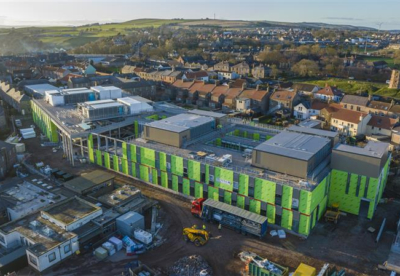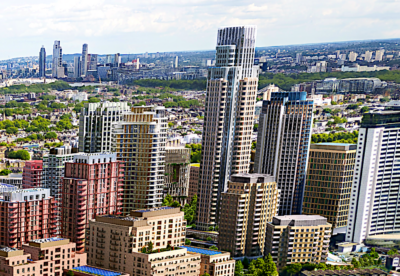




But large numbers of planned remediation and refurbishment projects remain stuck in a stubborn bottleneck as fresh applications continue to outpace decisions.
Since August, the regulator has pushed through 40 legacy high rise, new build determinations, cutting the old-case backlog from 103 to 63.

Another nine schemes are already lined up for approval with requirements, which will push the total down to around 54.
According to new progress data from the regulator, approval rates remain high at 73%, with developers leaning heavily on the streamlined approval-with-requirements route.
But the picture is far less rosy for cladding remediation and for safety refurb jobs. Open cases have crept up from 262 to 283 as new applications keep landing faster than sign-offs.
Median decision times for remediation are still running at around 30 weeks, and more than two-thirds of outcomes are either rejections or invalid submissions.

The regulator is banking on its new batching model to ease the strain.
Dozens of mixed-category bundles have now been dispatched to engineering services suppliers after the old multi-disciplinary team model was judged too slow to handle the volume.
Meanwhile, the new Innovation Unit is showing early signs of speed, turning around decisions in four weeks and rapidly triaging unsuitable applications, although the first approvals though this new process are still pending.
Between new build, legacy and transitional cases, more than 36,000 residential units remain tied up in live Gateway 2 assessments.
Total projects at Gateway 2
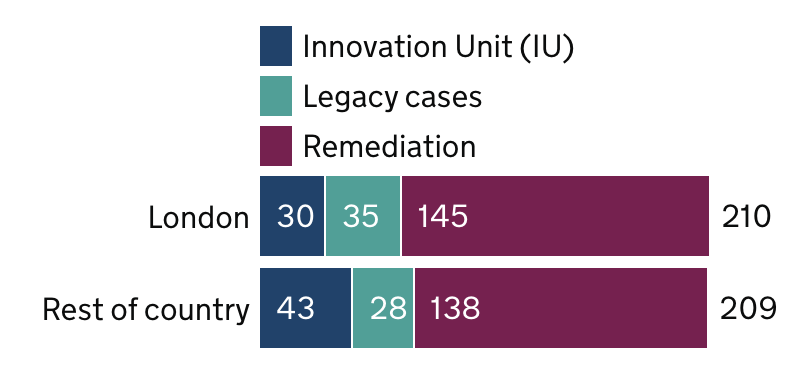
Changing live caseload
New build projects – 152 (1 Oct); 136 (24 Nov)
Remediation projects – 262 (1 Sept); 283 (24 Nov)
Officials say the focus is shifting to drive the same improvements seen in new-build decisions into the remediation stream, where caseload pressure remains at its tightest.